
Artificial Intelligence is no longer a future concept—it’s the backbone of modern digital growth. In 2026, AI tools are smarter, faster, and more human-like than ever before. Whether you are a content creator, developer, marketer, business owner, or student, choosing The Best AI Tools for 2026 can give you a massive competitive edge.
In this in-depth guide, we’ll explore The Best AI Tools for 2026, covering writing, design, video, coding, automation, productivity, and business intelligence.
Why AI Tools Matter More Than Ever in 2026
Before diving into the list, let’s understand why AI software is dominating every industry:
- AI reduces manual work by up to 70%
- Businesses using AI grow revenue 2x faster
- AI-powered personalization improves conversion rates
- Automation saves time, money, and human effort
From generative AI to machine learning platforms, The Best AI Tools for 2026 are designed to think, learn, and adapt like humans.
Categories Covered in This Guide
To make this guide practical and user-friendly, we’ve divided The Best AI Tools for 2026 into clear categories:
- AI Writing & Content Creation Tools
- AI Design & Image Generation Tools
- AI Video & Audio Tools
- AI Coding & Developer Tools
- AI Productivity & Automation Tools
- AI Marketing & SEO Tools
Let’s explore them one by one
1. Best AI Writing & Content Creation Tools for 2026
ChatGPT
Best for: Long-form content, brainstorming, coding help, automation ideas
ChatGPT continues to dominate in 2026 with multimodal intelligence, advanced reasoning, and human-like conversations. It’s one of The Great Tools for 2026 for bloggers, developers, and businesses.
Pros
- Extremely human-like responses
- Supports long-form SEO content
- Coding, math, and automation friendly
Cons
- Requires good prompts for best output
👉 Official site: https://openai.com
Jasper AI
Best for: Marketing copy, ads, email campaigns
Jasper AI is built specifically for marketers and brands. It excels in conversion-focused writing and brand voice consistency.
Pros
- Pre-built marketing templates
- Brand voice memory
- SEO-friendly outputs
Cons
- Expensive for beginners
👉 Official site: https://www.jasper.ai
Copy.ai
Best for: Short-form content and social media
Copy.ai is lightweight, fast, and perfect for startups looking for quick content generation.
Pros
- Simple UI
- Great for ads and captions
- Budget-friendly
Cons
- Not ideal for long blogs
2. Best AI Design & Image Generation Tools for 2026
Midjourney
Best for: Artistic and creative visuals
Midjourney is a favorite among designers for its stunning, high-quality AI-generated images.
Pros
- Exceptional image quality
- Artistic styles
- Community-driven innovation
Cons
- No traditional dashboard (Discord-based)
DALL·E
Best for: Blog images, thumbnails, social media graphics
DALL·E allows users to generate realistic images from text prompts, making it one of The Best AI Tools for 2026 for bloggers and marketers.
Pros
- Easy to use
- High-resolution images
- Great for SEO visuals
Cons
- Limited artistic control compared to Midjourney
Canva (AI Features)
Best for: Non-designers and quick graphics
Canva’s AI tools like Magic Design and Text-to-Image make graphic design effortless.
Pros
- Beginner-friendly
- Thousands of templates
- AI-powered design suggestions
Cons
- Limited customization for professionals
3. Best AI Video & Audio Tools for 2026
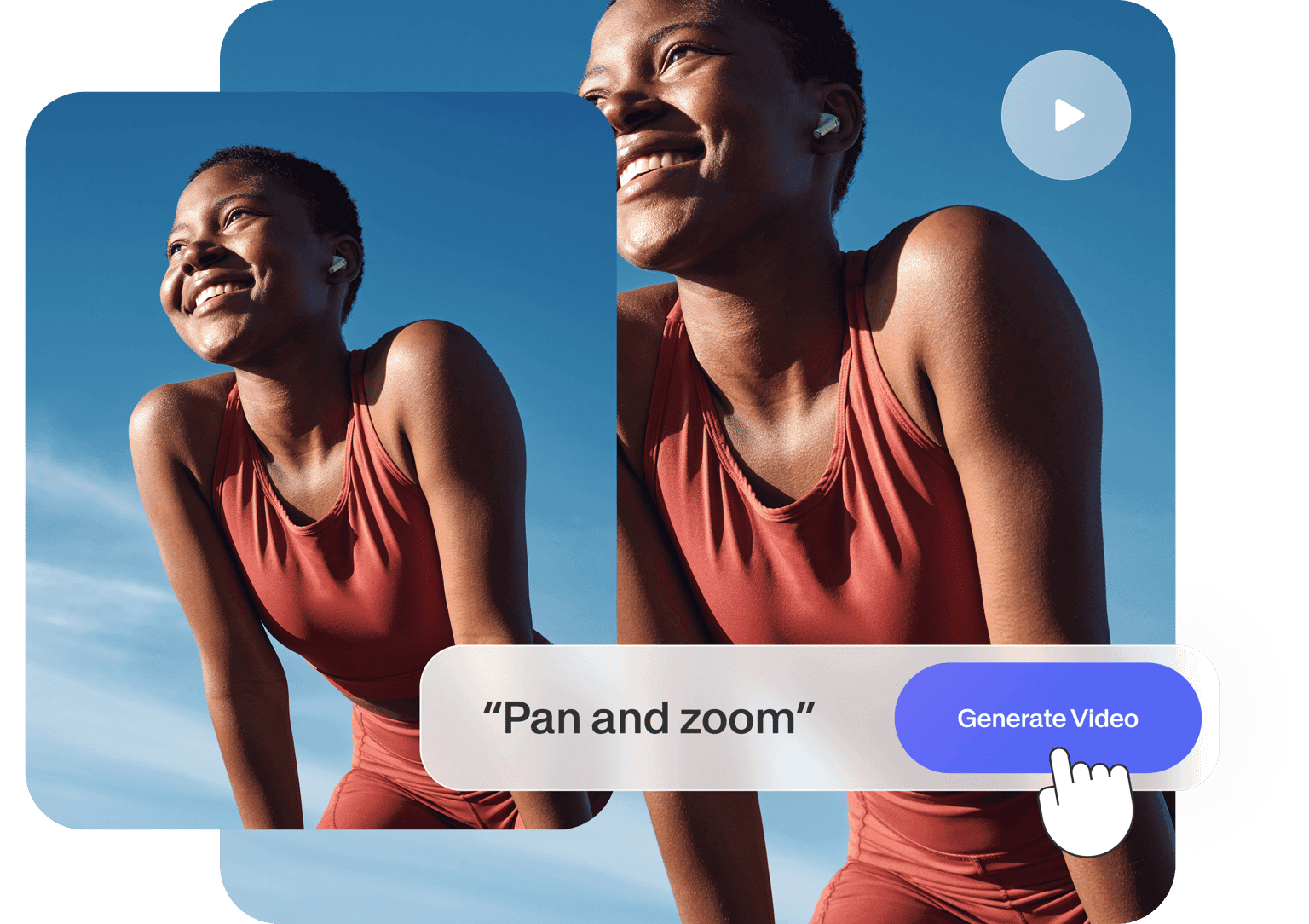
Pictory
Best for: Turning blogs into videos
Pictory converts text into engaging videos automatically.
Pros
- No video editing skills needed
- Perfect for YouTube Shorts & Reels
- Fast rendering
Cons
- Limited advanced editing
Also Read : Best AI tools for Students

Synthesia
Best for: AI avatar-based videos
Synthesia lets you create professional videos using AI avatars and voices.
Pros
- Multiple languages
- Corporate-friendly
- No camera required
Cons
- High pricing
Descript
Best for: Podcasting and video editing
Descript edits videos by editing text—perfect for creators.
Pros
- Text-based editing
- AI voice cloning
- Great for podcasts
Cons
- Learning curve
4. Best AI Coding & Developer Tools for 2026

GitHub Copilot
Best for: Developers and programmers
GitHub Copilot uses AI to write, debug, and optimize code in real time.
Pros
- Saves coding time
- Supports multiple languages
- IDE integration
Cons
- Requires code review
Tabnine
Best for: Privacy-focused development
Tabnine is ideal for teams working on secure projects.
Pros
- Local AI models
- Team collaboration
- Fast suggestions
Cons
- Less creative than Copilot
5. Best AI Productivity & Automation Tools for 2026
Notion (AI)
Best for: Notes, planning, and documentation
Notion AI turns ideas into action with summaries, task automation, and smart writing.
Pros
- All-in-one workspace
- AI-powered organization
- Great for teams
Cons
- Can feel overwhelming
Zapier (AI)
Best for: Automation without coding
Zapier AI automates workflows between thousands of apps.
Pros
- No-code automation
- AI-driven logic
- Saves hours daily
Cons
- Expensive at scale
6. Best AI Marketing & SEO Tools for 2026
Surfer SEO
Best for: On-page SEO optimization
Surfer SEO helps content rank faster by analyzing SERPs.
Pros
- Data-driven SEO
- Real-time optimization
- Great for bloggers
Cons
- Requires SEO knowledge
Semrush (AI Features)
Best for: Complete digital marketing
Semrush uses AI for keyword research, competitor analysis, and content optimization.
Pros
- All-in-one SEO tool
- Accurate data
- Trusted globally
Cons
- High learning curve
👉 Learn more: https://www.semrush.com
To improve SEO and crawlability, internally link this article with:
- “AI Automation Tools for Bloggers”
- “Best SEO Tools for Affiliate Marketing”
- “Future of Artificial Intelligence in Business”
- “Top Tech Trends to Watch in 2026”
Conclusion: Why These Are The Best Tools for AI in 2026
AI is evolving at lightning speed, and staying ahead means choosing the right tools. From writing and design to coding and automation, The Best AI Tools for 2026 empower individuals and businesses to work smarter—not harder.
If you want faster growth, better productivity, and future-proof skills, investing time in The AI Tools for 2026 is no longer optional—it’s essential.
